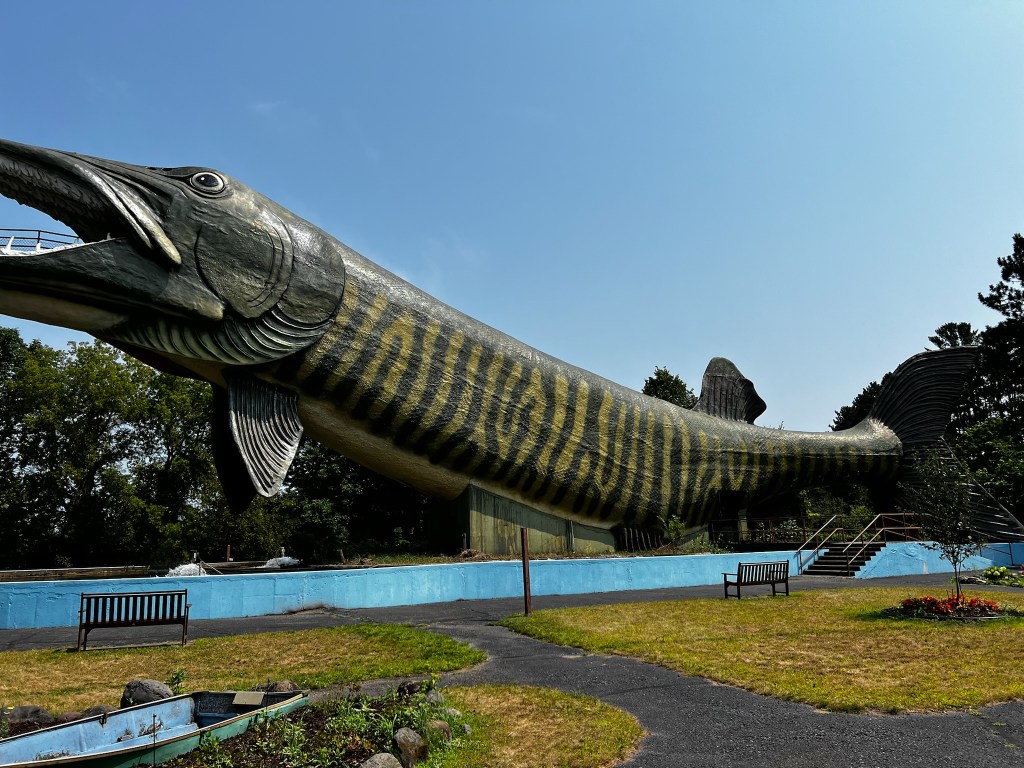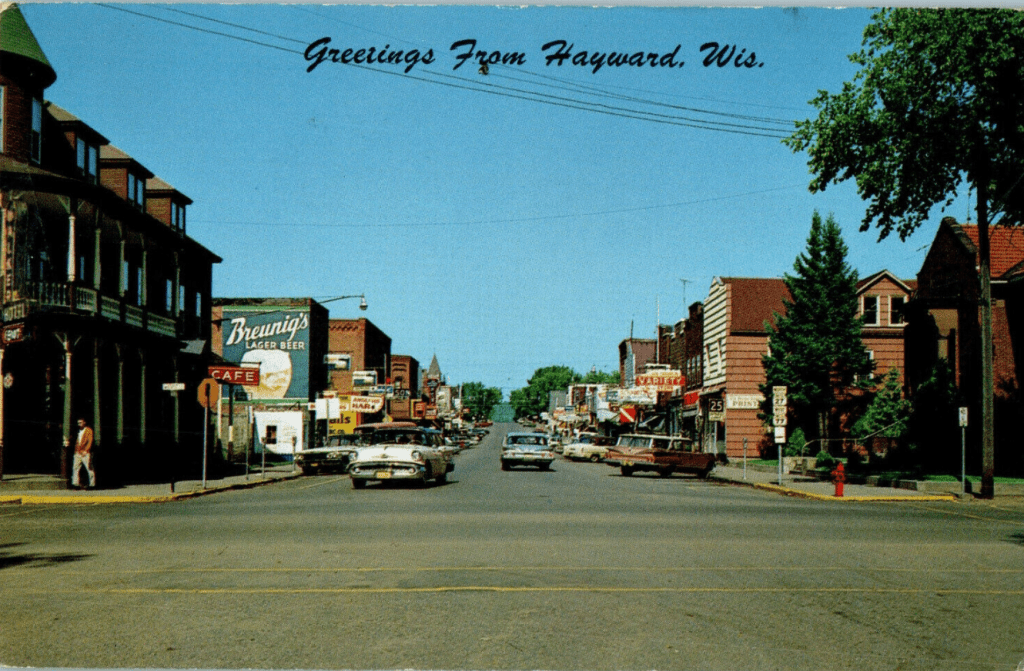
If you have any knowledge of this state whatsoever, it’s probably pretty easy to guess the general history of Hayward and the surrounding Northwoods – logging. And you’d be correct. Even the name of the city has ties to the lumber industry, named after Anthony Judson Hayward. But there’s more nuance to the history of this city, and area, than just the stereotypical logging background.
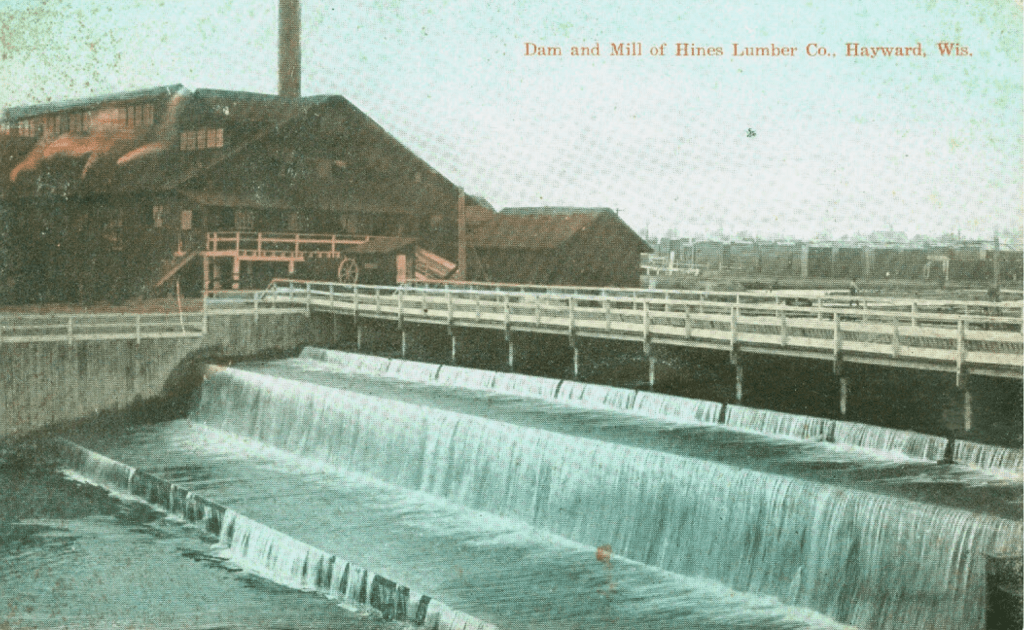
Hayward was officially established in 1883. Lumber Baron Anthony Judson Hayward first arrived to the area in the 1870’s and realized the potential it had for logging with the Namekagon River cutting through the area. Transporting logs back then was mainly done on the rivers, and the Namekagon provided a great opportunity. Hayward built a sawmill near where the current Lumberjack Bowl is. It ended up burning down in 1922 and was not rebuilt because all the nearby forests had by, at that point, been pretty much clear cut. Our state has a dark past in regards to logging, and this certainly fits the mold.
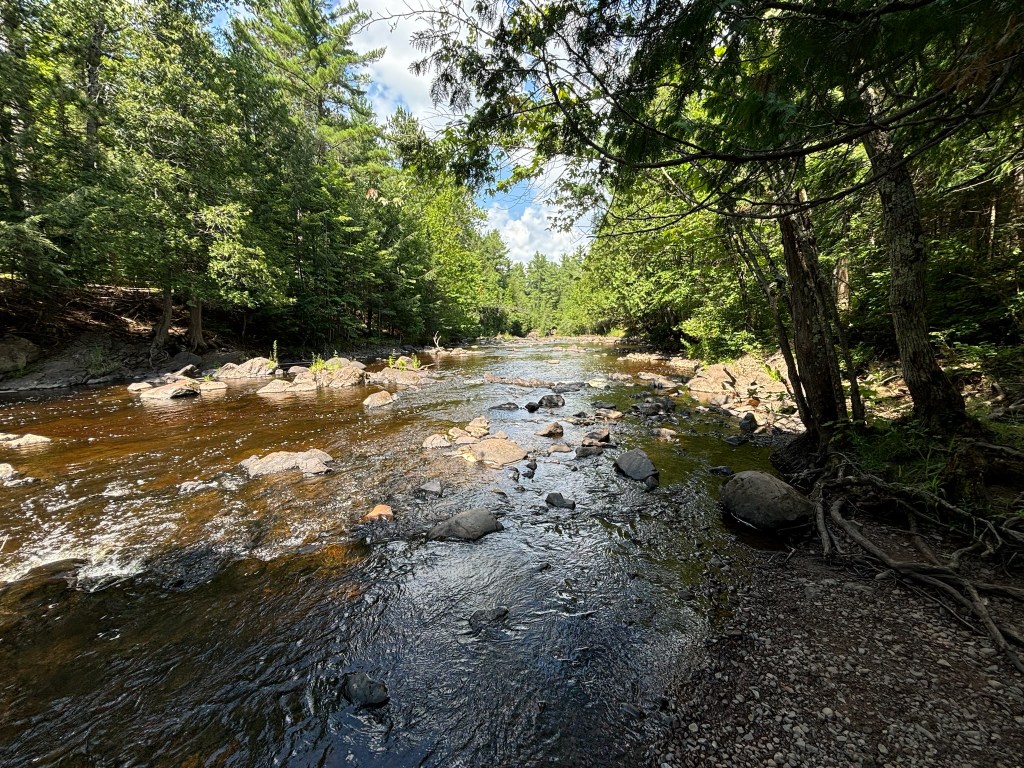
Imagine being Anthony Hayward, arriving in the Northwoods in the late 1870’s and being surrounded by pristine wilderness. Pure boreal forests cut through by the raging Namekagon and other clean rivers and streams. Lakes, ponds, and marshes dotting the landscape. Beaver dams on every moving body of water you can imagine, keeping the rest of the wildlife happy. Songbirds, raptors, and waterfowl would have been incredibly abundant in these unspoiled regions. The last vestiges of elk and probably even moose, joined by whitetails, along with bear, wolves, and mountain lions. All taken from us by mans lust for money and ownership over the land. To be fair, ecology wasn’t a thing and most people didn’t know what would happen when you removed every single tree from an ecosystem, but then again, common sense isn’t too common these days, or even back then it would seem. The burning of the mill proved to not be the end of the world when your source of fuel is all but used up. The land then sold off for farming and lakeside resorts. I’ll save my anger for our logging past for another day though.
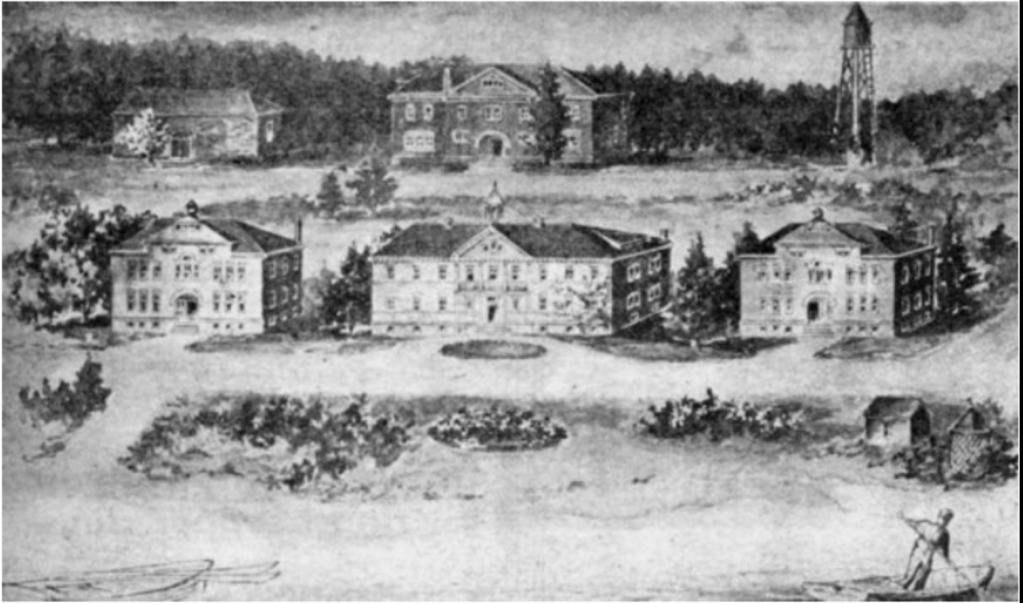
In addition to the logging, Wisconsin also participated in another dark pastime… Indian Residential Schools. Hayward was home to one of 11 that Wisconsin had. The Hayward Indian Residential School was established in 1901 and had mainly Ojibwe kids from the nearby Lac Courte Orielles reservation. It operated until 1934. As with all Indian Residential Schools, they had kids that were forced out of their homes and forced to assimilate. There is nothing good about these schools, and no benefits came from them. I’ll do a longer piece about these schools in the future, but I do think it’s important to recognize and understand the past, and to learn from it. Covering up the bad parts of history doesn’t do anyone any good. There seems to be an effort these days to cover up this country’s problematic past, and that is only a disservice to anyone trying to better the future of this country, and by extension, this state. So yes, Hayward had an Indian Residential School. Yes, it was bad. But perhaps instead of forgetting this part of our state’s history, we can instead learn from it.
Today, Hayward relies on tourism. Logging (much more sustainably I might add) still provides some economic impact, but tourism is king now. Tourism with the outdoors – mountain biking, FISHING, cross country skiing, hiking, boating, canoeing, kayaking, ATVing, snowmobiling – is the main economic impact. Resorts, cabins, and campgrounds are also numerous. Exploring the outdoors is exactly what you should be doing up north, and Hayward and the surrounding area makes sure you won’t have any problems with that. Lumberjack shows and other family friendly activities can be found within the city itself, but the real gem is the National forest and surrounding nature. The Northwoods are a real treasure and thankfully Hayward has essentially recovered from the forest massacre of the 1800’s. If you’re looking for a bit of nature, or maybe a chance to reconnect with the Wisconsin of old, give Hayward a shot.