
Part 2: The Recovery
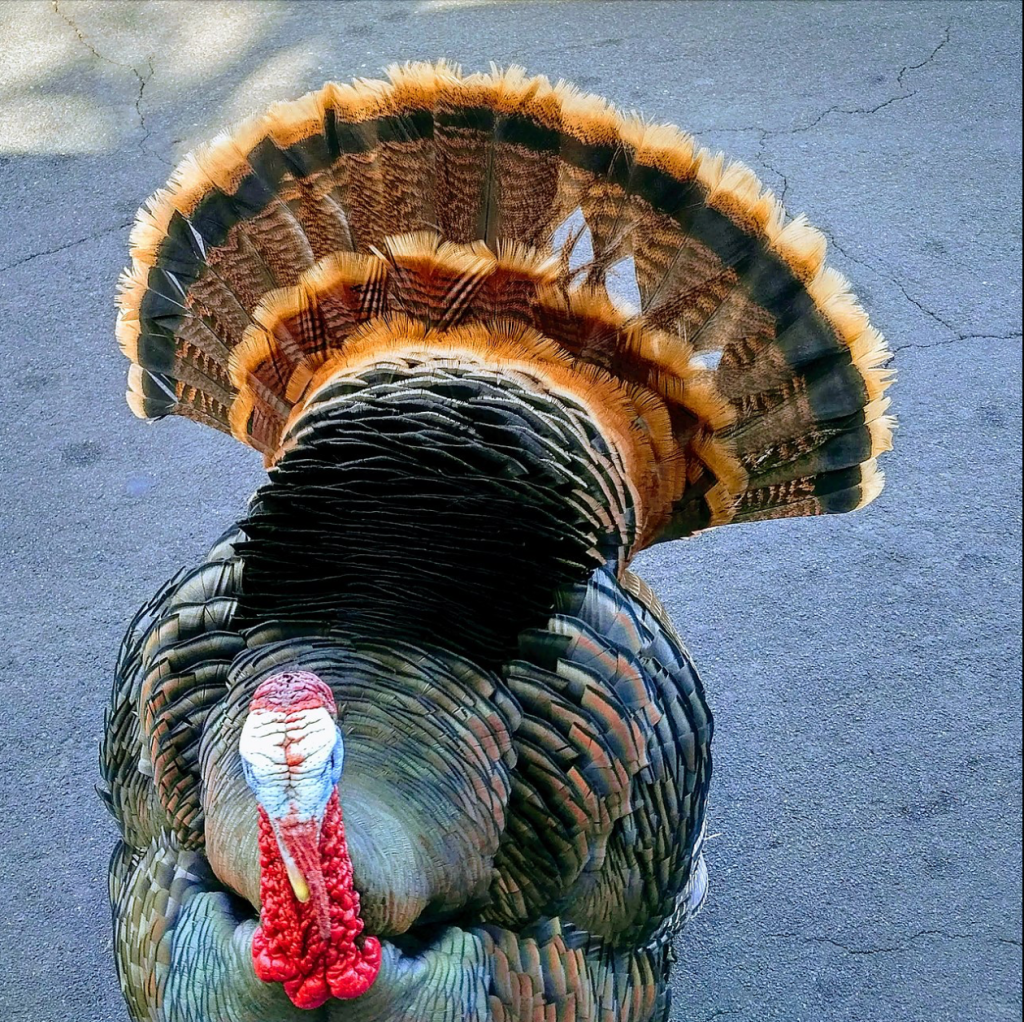
By the late 1870’s the turkey was all but a memory in our great state. The combination of overhunting and habitat destruction by the timber and agriculture industries took its toll on the awkward bird, and the turkey joined the ranks of the elk, moose, and wolves of extirpated animals in Wisconsin. But despair not, as this is a story of hope and success. If you missed part 1 on this series, you can find it here to get caught up.

Starting around 1887 the DNR, realizing the turkeys were gone, started reintroduction efforts. Like any massive repopulation undertaking, the results would vary. For nearly 90 years, the DNR tried, and failed, numerous attempts at bringing the bird back. There was a span of nearly a decade in the 1920’s and 1930’s where nearly 3,000 local pen-raised birds were released into the wild. The flocks never lasted. In the 50’s they tried some more birds, this time from Pennsylvania, but again still no luck. The restocking efforts failed time and time again, but there there seemed to be a common factor in all those attempts… not where they were from, but the type of birds they were using. It turns out survival instincts were essentially nonexistent in the farmed birds, instincts they didn’t share with their wild brethren.

Let’s jump back to the 1800’s real quick because there’s an important caveat to all our woes brought about by settlement. As this country expanded westward from the east, some of the most wild areas were left unconquered due to their, well, wildness. One such area was the Everglades. Another being the Ozarks. It’s not easy to farm in swamp or mountains, and so those areas were less affected by the agriculture and timber industries. And therein lies our salvation. Florida (hosting the Everglades) and Missouri (home to a chunk of the Ozarks) were two of the few spots left in the lower 48 that still had wild turkeys. Recall from the last post that Wisconsin is home to the Eastern Wild Turkey, as is Missouri, whereas Florida is home to the Ocellated Turkey. So in 1976, the WDNR and Missouri DNR struck a deal. A fair bird trade, turkeys for ruffed grouse, which we in Wisconsin still had plenty of, and the next wave of reintroductions would begin.

With the two states’ DNR programs agreeing to terms, the plan was set. After trapping 29 wild turkeys (emphasis on wild this time) from Missouri, they were released near the Bad Axe River watershed in Vernon County, the south central portion of our state. It would turn out to be extremely successful, with the birds immediately increasing in population. Over the course of the next decade, we would end up releasing 363 more Missouri-caught turkeys into southwestern Wisconsin. After the results were conclusive, that the wild turkeys released were improving into a healthy population, the DNR finally introduced a trap and release program within our states own population, trapping the birds in the areas where they were growing, and releasing them into the rest of the state. The reintroduction has proved so successful that not only have the turkeys rebounded, but they have even started to occupy parts of our state they never have before, with almost the entire state seeing a healthy wild turkey population. Some of them have even moved into the suburbs with their opportunistic behaviors. Since the northern forests are no longer contiguous, but instead broken up by both city and farms, they have additional habitat they never really had prior to deforestation. All of this means turkeys are now more successful then they’ve ever been before. And that’s good news if you’re a hunter. So good, in fact, that in 2024 Wisconsin turkey hunters registered 50,435 birds. It’s also good news if you’re not a hunter, as we discussed in the last post how vital turkeys are to the various Wisconsin ecosystems.

All info for today’s post comes from the Wisconsin DNR. The turkey isn’t the only success story in Wisconsin. You’ve got to give our state credit, from the turkey to the bald eagle, the peregrine falcon to the wolf, and the current progress being made on the elk and Whooping Cranes, Wisconsin is righting its wrongs one animal species at a time. We’ll cover more of the animals at a later time, but hopefully you’ve enjoyed learning a little something new about the turkey.

 Life is Too Short to Take the Fast Way