

Last Friday we dropped the recipe for the perfect Old Fashioned, so check that out if you haven’t read it yet. In fact, I highly recommend making one before reading this post. It will make for a better reading experience, I promise. The story of the old fashioned is very interesting, moreso its link to Wisconsin, so I feel like it’s worth a post. Today we’re going to focus on how Wisconsin makes this drink so unique. If this state had an official drink, it would be the brandy old fashioned. And when I say we make it unique, I mean it. Have you ever tried to order a brandy old fashioned outside of the midwest, and especially outside of Wisconsin? I’ve tried to do so in Baltimore, New Orleans, and Las Vegas. New Orleans was the only place out of the three that even had brandy, and even then they questioned me. My bartender in Baltimore looked at me like I was stupid when I asked for brandy. The thing is though, the old fashioned didn’t even start off as a whiskey drink. In fact, it was quite common to use various spirits as the base, the only real common ingredients they all had were sugar and the bitters.

This drinks origins, and by extension the term “cocktail” can be traced back to the turn of the 19th century (1800’s for those of you that get confused with the centuries numbers like I do). In 1806, a New York newspaper referred to a cocktail as any drink containing sugar, water, bitters, and “spirit of any kind”. As time progressed and cocktails got more and more complex with more and more ingredients, people asking for the drink would ask for a cocktail “in the old-fashioned style”. And thus we arrive at our name for this classic. But how does the brandy end up here? Over the years, the old fashioned morphed into a whiskey drink primarily. While using whiskey certainly is delicious, it’s not how Wisconsin makes this thing “ours”. The brandy is.

Now, I’ve had people tell me that isn’t true, meaning both that the brandy isn’t unique to Wisconsin, or that brandy old fashioned’s aren’t as big in Wisconsin as us Wisconsinites make it out to be. I’m a man of science though, so even though I provided anecdotal evidence above, an anecdote is just that, and not based in fact (necessarily). So let’s do some research, shall we? Anyone care to guess what state drinks the most brandy per capita? Yup, Wisconsin. Quick technicality here, the District of Columbia actually drinks more, but this figure includes Cognac, and let’s be real here, how many regular cognac drinkers do we have in this state? So, rich politicians aside, I think it’s a fair assessment to say that Wisconsin does indeed, have a unique claim to the brandy old fashioned. Now that we have the “proof” out of the way, lets focus on how we got to this point.
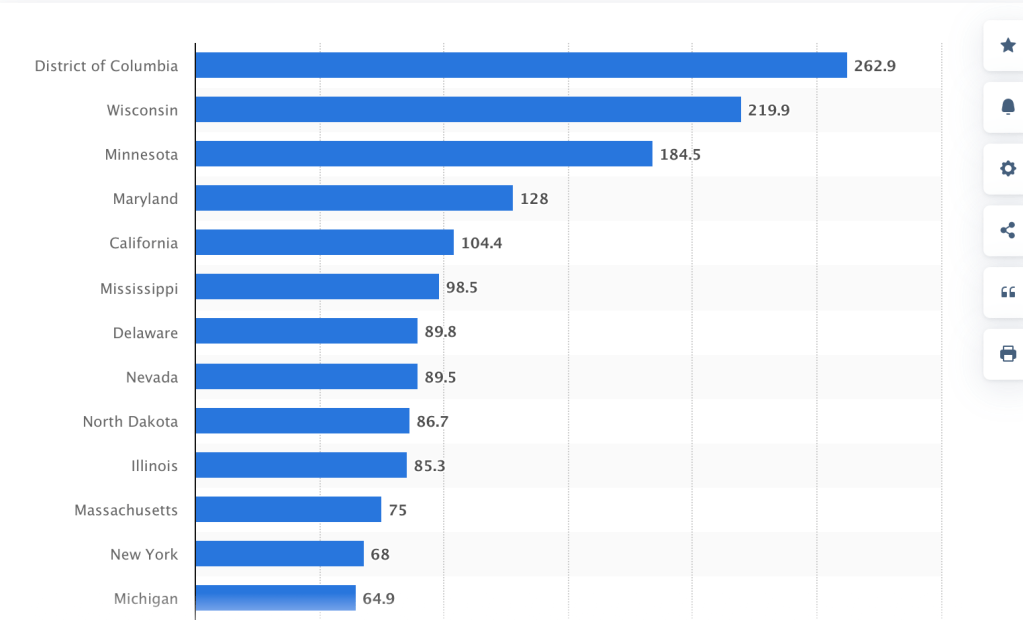
There are a few theories out there on why it’s brandy for Wisconsin. One of the more popular hypotheses is that Korbel marketed their brandy very well at a Worlds Exposition and from there it took off. Another idea floated around including the high amount of European ancestry in this state. Both are wrong though, courtesy of Jeanette Hurt, author of “Wisconsin Cocktails” (and many others). The real reason is much more macro-economics focused. Personally, I wish it was the heritage concept… that’s much more intriguing to me, not to mention a large majority of our states cultural traditions arose from our German and European roots. I’m VERY thankful that the Korbel/World’s Exposition theory is wrong though. That event happened in Chicago. Chicago, and Illinois, can go kick rocks (trying to keep this family friendly, folks). Alas, destiny had other things in mind.

Prior to World War 2, whiskey was probably the most common spirit used in the old fashioned in this state. Brandy was very popular in the Fox Valley, but still nothing spectacular in terms of sales or consumption state-wide. But then along came World War 2, and everyday life changed, even for those not abroad. Relating specifically to the old fashioned, whiskey production in the country came to a screeching halt. Distilleries focused on making torpedo fuel instead of bourbon. Crops were used for feeding the soldiers instead of making whiskey. And then even after the war ended, grain was sent overseas to feed the Europeans. All of this meant that the shipment of whiskey was significantly reduced. Any spirits that were still around, were of poor quality. The booze turned bad. And them are fightin’ words in this state.

Along come our saviors though. A distiller called Christian Brothers had a stash of some good brandy. Wisconsin distributors got word of this, and ordered a very large amount, probably 30,000 cases. So now, picture yourself on a Friday night at a bar, restaurant, or supper club, and your choice of spirit for your favorite drink includes bad whiskey or good brandy. What say you? Brandy obviously took off after this, and from there it turned into a cascade effect. The more people that drank brandy, the more it was advertised, which got even more people to drink it, and the cycle continued, and here we are.

There you have it, the history of the drink and the history of its place in Wisconsin, as well as the history behind how we ended up making it so unique. Really, this is a nice 3 for 1 deal you guys just got. You’re welcome. All info from today’s post can be found in two books: “Whiskey: A Spirited Story with 75 Classic and Original Cocktails” by Michael Dietsch, and “Wisconsin Cocktails” by Jeanette Hurt. Both are great books but a HUGE shoutout to the Wisconsin Cocktails book. Not only does it have great recipes, but the history behind some of the drinks are fascinating, especially if you’re a history buff like me. Definitely worth a buy as a gift for someone around the holidays, or just yourself should you wish to expand your cocktail repertoire. At some point I’m going to do a “Top 10 MUST-HAVE Wisconsin Books” list, and spoiler alert, this book makes the cut.

 Life is Too Short to Take the Fast Way